
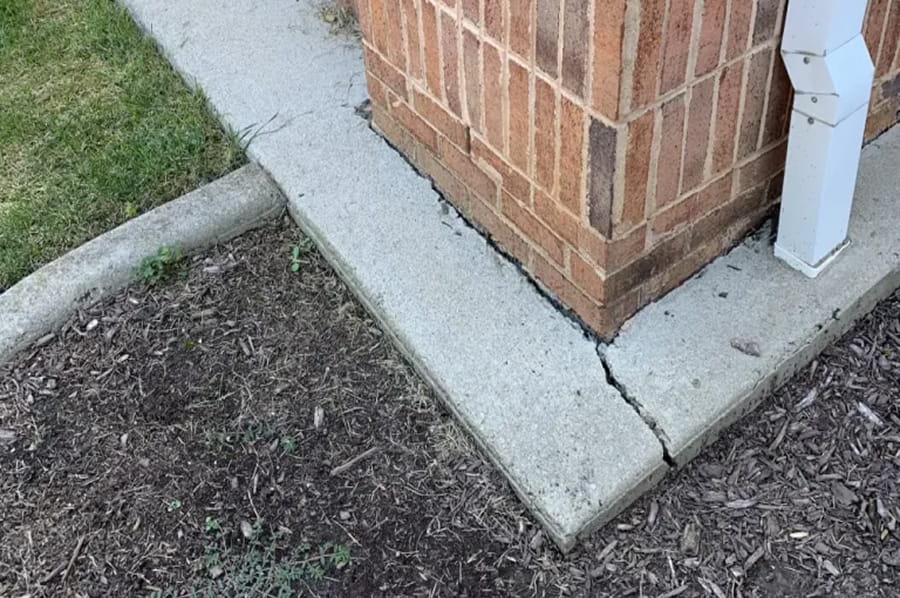
How extreme heat causes foundation cracks in MD & DE
Maryland and Delaware summers can be brutal on the soil beneath your home. During long heat waves, some soils dry out, shrink, and shift, and foundation cracks can start to appear.
This article explains:
- How extreme heat leads to foundation cracks
- Which cracks are usually harmless
- Which cracks may be serious
- How these cracks are repaired
Quick answer:
Extreme heat dries and shrinks moisture-sensitive soil, the foundation loses support, and cracks can form.
Small, stable cracks can often be monitored, but wide, growing, or horizontal cracks should be evaluated by a professional.
Why extreme heat puts stress on your foundation
Extreme heat rarely damages concrete directly. The bigger issue is what heat does to the soil supporting the foundation.
Soil types across Maryland and Delaware vary widely. Parts of the region, including areas of the Piedmont and transitional zones, contain clay soils that hold water when wet and lose it during a drought.
The Eastern Shore and much of the Coastal Plain are more sandy and drain quickly.
Clay-heavy soils are the ones most likely to shrink and swell with moisture changes, which is why the risk depends on your specific site.
When moisture-sensitive soil dries, it shrinks and can pull away from the foundation. That shrinkage removes support from under the footing, and cracks may follow.
Here is what can happen during a long heat wave:
- Soil shrinkage: dry clay contracts and can create gaps under and around the footing.
- Thermal cycling: concrete expands in the heat and contracts as nights cool. Repeated cycling can stress weak points over time.
- Drought stress: weeks without rain lower overall soil moisture and can speed up settlement in vulnerable soils.
- Tree root thirst: roots pull additional moisture from the soil near the foundation during hot, dry spells.
Heat-related movement is often gradual. By the time cracks appear, the soil underneath may have already shifted, which is why early monitoring matters.
How soil shrinkage turns into foundation cracks
Think of your foundation as a rigid concrete box resting on soil. When heat dries that soil unevenly, the box can settle unevenly too.
Uneven settlement concentrates stress at the weakest points of the concrete. That is why cracks often appear near corners, window openings, and the areas where soil dried out fastest.
Factors that influence how serious a foundation cracks gets:
- Soil type: clay-rich soils shrink and swell the most; sandy soils move much less.
- Sun exposure: south- and west-facing walls tend to dry out faster.
- Water management: gutters, downspouts, and grading control how much moisture the soil keeps.
- Vegetation: large trees and shrubs planted close to the house draw moisture from the soil.
Types of Foundation Cracks Caused by Extreme Heat
Not all foundation cracks mean the same thing. The shape and direction of a crack can tell you a lot about what is happening below.
Hairline Cracks
Thin, shallow lines that often appear as concrete cures or during a hot summer. They are usually cosmetic, but they are still worth monitoring and sealing to keep water out.
Vertical Cracks
These run up and down and are usually linked to normal settling or minor shrinkage. A vertical crack that stays narrow is often lower risk, but one that widens at either end deserves a professional look.
Diagonal Cracks
Cracks at roughly 30 to 45 degrees can point to differential settlement, meaning one part of the foundation moves more than another. Heat-driven soil shrinkage is one possible trigger, though other causes exist.
Stair-Step Cracks
In block or brick foundations, settlement can show up as stair-step cracks along the mortar joints. These are worth having inspected, especially after a hot, dry summer.
Horizontal Cracks
Horizontal cracks are the ones to take most seriously. They can indicate that a wall is under heavy soil pressure and may be bowing. If you see one, do not wait: schedule a foundation inspection and repair visit.
Foundation Cracks’ Rule of Thumb:
Hairline and narrow vertical cracks are often cosmetic. Diagonal, stair-step, and horizontal cracks are more likely to be structural and should be evaluated.
Signs Your Foundation Cracks Are Getting Worse
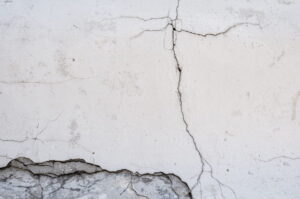
Foundation cracks rarely stay exactly the same over time. Watch for these warning signs during and after a heat wave:
- A crack that widens, lengthens, or changes direction.
- A crack wider than about 1/4 inch.
- Doors and windows that start sticking or will not latch.
- Uneven or sloping floors.
- Gaps between walls and ceilings, or around window frames.
- Water seeping through a crack after a summer storm. Our article on summer storms and your foundation covers that combination.
How Foundation Cracks Caused by Extreme Heat Are Typically Handled
The right approach depends on the crack type, how much it has moved, and what the soil is doing. Here is how these cracks are usually addressed.
Step 1: Monitor and Seal Small Cracks
For hairline and narrow vertical cracks, the goal is keeping water out and tracking movement:
- Measure the width and take a dated photo.
- Mark the ends of the crack with a pencil so you can spot growth.
- Seal hairline cracks with a suitable concrete sealant.
- Keep soil moisture consistent so the crack does not cycle open and closed.
Step 2: Address the Water and Soil Conditions
Before repairing concrete, it helps to correct the conditions that contributed to the crack. Otherwise, new cracks can appear.
- Extend downspouts away from the foundation.
- Regrade soil so water flows away from the house.
- Add drainage solutions such as French drains where water pools near the footing.
- Mulch planting beds to slow evaporation during extreme heat.
Step 3: Stabilize Structural Cracks Professionally
When cracks come with settlement or bowing, sealing alone is not enough. Depending on the inspection, professional repairs may include:
- Helical pile installation to stabilize and support a settling foundation.
- Crawl space foundation repair for sagging floors and weakened supports.
- Wall reinforcement for bowing or horizontal cracks.
- Grading and drainage corrections to protect the repair.
How to Reduce the Risk of New Cracks During Heat Waves
You cannot control the weather, but you can influence the moisture around your foundation. A few habits go a long way during extreme heat:
- Water the soil, not the concrete. A soaker hose placed a few feet from the foundation helps keep clay soils from shrinking.
- Water deeply and less often, following any local watering restrictions.
- Keep mulch about 3 to 4 inches deep to shade the soil.
- Plant large trees far enough away that roots do not dry out the footing.
- Keep gutters clean and downspouts extended.
When to Call a Professional Foundation Cracks Service in MD and DE
Rock Solid Foundations is a veteran-owned company with more than 30 years of combined experience serving Maryland and Delaware.
Extreme heat is not going away, but foundation cracks do not have to become a structural problem. Watch soil moisture, seal the small cracks early, and get a professional eye on anything wide, growing, or horizontal.
Call 443-666-ROCK or contact Rock Solid Foundations for an honest, on-site evaluation anywhere in our Maryland and Delaware service areas.
FAQs About Foundation Cracks and Extreme Heat
Can extreme heat really cause foundation cracks?
Yes. In moisture-sensitive soils, extreme heat dries and shrinks the ground, which can remove support from under the footing and lead to settlement and cracking. The effect often shows up weeks after the heat wave ends.
1. Are all foundation cracks structural?
No. Hairline and narrow vertical cracks are often cosmetic. Diagonal, stair-step, and horizontal cracks are more likely to be structural and should be inspected.
2. Do foundation cracks get worse after summer?
They can. When dry summer soil gets soaked by fall storms, it can swell and push against the foundation. That cycle may widen existing cracks. A similar pattern can occur in winter, as explained in our foundation cracks after winter article.
3. Will watering my foundation stop foundation cracks?
Consistent moisture can reduce soil shrinkage and lower the risk of new cracks, but it will not reverse settlement that has already happened. Watering is a prevention habit, not a repair.
4. How fast should I act on heat-related foundation cracks?
Hairline cracks can usually be monitored for a season. Wide, growing, or horizontal cracks should be inspected promptly, because early repair is often simpler than waiting.