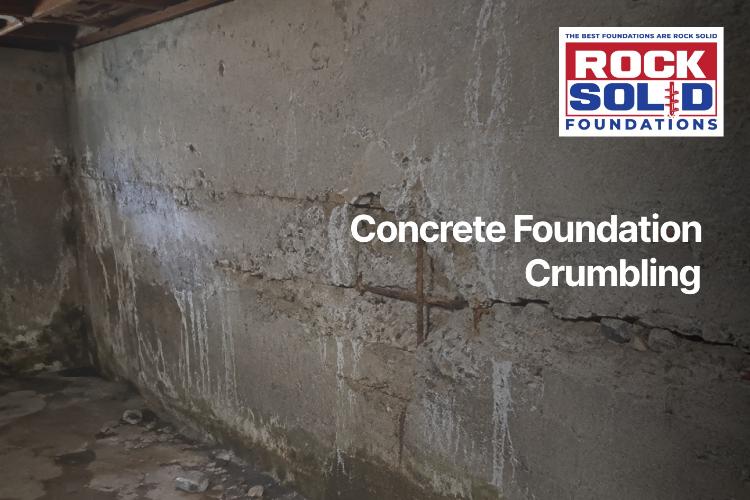
Learn how to repair concrete foundation crumbling, what causes it, whether it can be fixed or needs replacement, and when to call a professional in MD & DE.
How to repair concrete foundations in MD & DE
Minor surface crumbling can often be cleaned, bonded, and patched. When crumbling exposes rebar, spreads across a wall, or comes with cracks, bowing, or settlement, it points to a deeper issue that should be inspected before any patch is applied.
If you have noticed flaking, pitting, or chunks of concrete breaking loose from your foundation wall or slab, you are dealing with a common problem. Moisture is almost always involved, and Maryland and Delaware give it plenty of chances through wet winters, freeze-thaw swings, and humid summers.
This guide explains:
- What causes a concrete foundation to crumble
- Whether crumbling concrete can be repaired or needs replacement
- How to bond and patch minor surface damage
- When crumbling signals a structural problem
- What it means for insurance and selling your home
What causes concrete foundation crumbling
Concrete is strong, but it is also porous, which means water can work its way into the surface. Most crumbling starts with moisture and the pressure it creates as conditions change.
A crumbling concrete foundation is often the visible result of a process called spalling, where the surface layer flakes, pits, or breaks away.
Concrete foundation crumbling common causes:
Freeze-thaw cycles
Water seeps into the concrete, freezes, expands, and pops the surface apart. This repeats through a Maryland and Delaware winter.
Rebar corrosion
When steel reinforcement inside the concrete rusts, it expands and pushes the surface off from the inside, often exposing the rebar.
Poor drainage and grading
Water that pools against the foundation keeps the concrete saturated and speeds up deterioration.
Original mix or curing issues
Concrete that was mixed too wet or cured poorly during installation is more vulnerable years later.
De-icing salts and chemicals
Salt used near walkways and driveways can accelerate surface breakdown.
What can cause concrete to crumble after a few months of being installed?
When a concrete foundation crumbles only a few months after installation, the cause is usually tied to how the concrete was placed rather than long-term wear.
Common factors include:
- Too much water in the original mix
- Poor curing
- Finishing the surface while bleed water was still present
- Freezing before the concrete had fully cured
Persistent moisture against fresh concrete can also cause early scaling. If new concrete is already crumbling, it is worth having the installation reviewed before the damage spreads.
Can crumbling concrete be repaired?
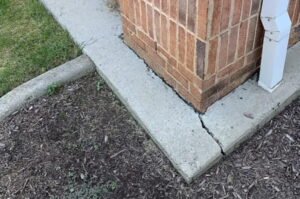
In many cases, yes. Whether a repair holds depends on how deep the damage goes and whether the underlying cause has been corrected.
Surface-level crumbling on an otherwise sound concrete foundation can usually be repaired by removing the loose material, bonding the area, and patching it.
If the concrete beneath the crumbling surface is still solid and the wall is not cracked, bowing, or settling, a patch has something to hold onto.
So knowing how to repair concrete foundation crumbling is really two questions:
- How to patch the surface
- How to stop the moisture behind it
Repairs tend to fail when the crumbling is only a symptom.
Patching over spalling caused by rusting rebar or ongoing water intrusion buys time but does not fix the problem, and the new material will eventually break down too.
That is why correcting drainage and moisture comes before, or along with, any patch.
Signs the foundation crumbling is serious
Some warning signs suggest the problem runs deeper than the surface:
- Exposed or rusting rebar showing through the concrete
- Crumbling that covers a large area or keeps spreading
- Concrete that sounds hollow when you tap it
- Cracks, especially horizontal cracks, along with the crumbling
- Walls that appear to bow or lean
- Doors or windows that have started to stick
If you see any of these, a patch is not the answer on its own. Schedule a foundation inspection and repair visit so the cause can be identified first.
How do you fix crumbling concrete foundation?
For minor, surface-level damage on a structurally sound wall, the repair follows a predictable sequence.
Learning how to repair concrete foundation crumbling starts with understanding that preparation matters more than the patch itself.
Step 1: Remove the loose material
Chip away all crumbling and flaking concrete with a stiff brush, and use a chisel and hammer for larger pieces. The goal is to reach solid concrete so the patch bonds to something stable rather than more loose material.
Step 2: Clean and dampen the surface
Wash the area with a hose to clear away dust and debris, then let it dry. Just before patching, dampen the concrete with a sponge or spray bottle so it is moist but not soaking. Dry concrete pulls water out of the patch too quickly and weakens the bond.
Step 3: Bond the area
This step is what separates a lasting repair from one that flakes off in a season. Apply a bonding agent so the new material grips the old concrete, then patch immediately while the bonding layer is still wet.
Step 4: Apply the patch
Press a concrete patching compound into the area. For deeper holes, pack in clean concrete or stone rubble along with the compound so there are no voids, and make sure the rubble stays fully covered.
Step 5: Cure it slowly
Keep the patch damp as it cures, following the product instructions. Covering the area with plastic sheeting slows evaporation and helps the repair harden fully. Rushing the cure is a common reason patches fail.
Step 6: Fix the cause
A patch protects the concrete, but it does not stop the water that caused the damage. Extend downspouts, correct grading, and add drainage solutions where water collects near the footing. Without this step, the crumbling usually returns.
How to bond crumbling concrete
Bonding is the part homeowners most often skip, and it is the reason so many patches fail. New concrete does not naturally stick to old, cured concrete. Without a bonding step, the patch dries as a separate layer and eventually pops loose.
A bonding agent, sometimes a cement-based slurry or a commercial bonding primer, is brushed onto the prepared surface right before the patch goes on. The patch must be applied while that layer is still wet so the two surfaces cure together. If the bonding layer dries first, it has to be reapplied.
For crumbling that covers a foundation wall or comes with any structural warning signs, bonding a patch will not solve the underlying problem, and professional evaluation is the safer route.
Can you put a thin coat of concrete over existing concrete?
You can, and it is often called a resurfacing or overlay coat. A thin layer of resurfacing compound can improve the look of a pitted or lightly spalled surface, but it works only when the concrete underneath is solid and properly bonded.
An overlay applied over crumbling or moving concrete will crack and flake along with the surface below it. Think of resurfacing as a finish for sound concrete, not a repair for a failing foundation.
When crumbling concrete needs a professional
Call a professional when crumbling comes with cracks, bowing walls, exposed rebar, sticking doors and windows, or uneven floors.
These suggest the concrete is losing strength or the foundation is moving, and the right fix depends on what the inspection finds. Depending on the situation, professional repair may involve:
- Crawl space foundation repair: for deteriorating concrete, sagging floors, and moisture problems below the home.
- Helical pile installation: to stabilize and support a settling foundation.
- Removing and re-pouring badly deteriorated sections of concrete.
- Excavation and grading: to correct the drainage and soil conditions driving the damage.
A professional evaluation also protects you from spending money on a patch that was never going to hold. If you are searching for concrete foundation contractors near me, look for a company that inspects the cause before recommending a repair.
Some crumbling is a maintenance item. Some is an early warning. Knowing the difference protects both your home and your wallet.
Is it cheaper to replace or repair concrete?
Repairing concrete is almost always less expensive than replacing it, which is why an accurate diagnosis matters so much.
- Surface repairs address damage without the cost of demolition, disposal, and a new pour.
- Replacement makes sense when the concrete is deteriorated beyond the point a repair can restore, when large areas are affected, or when the structure has lost integrity.
The catch is that a cheap repair applied to a problem that actually needed replacement is not a savings, because the damage keeps returning.
The most cost-effective path is to have the foundation evaluated so the money goes toward the repair the structure genuinely needs. Rock Solid Foundations provides free on-site evaluations, so you can understand the scope before committing to any work.
Will homeowners insurance cover foundation repair?
It depends on the cause of the damage and the terms of your policy. Insurance is one of the first questions homeowners ask, and the honest answer is that coverage varies.
Many standard homeowners policies exclude foundation damage caused by gradual issues such as water seepage, poor drainage, soil movement, or normal wear, which is exactly the category most concrete crumbling falls into.
Damage tied to a sudden, covered event may be treated differently. Because policies and exclusions differ, the only reliable way to know is to review your specific policy with your insurer. Keeping dated photos and documentation of the damage helps if you do file a claim.
How to prevent concrete foundation crumbling
You cannot make concrete waterproof, but you can control how much water reaches it. A few maintenance habits go a long way:
- Keep gutters clean and extend downspouts several feet from the foundation.
- Grade soil so water flows away from the house, not toward it.
- Address pooling water near the footing with proper drainage.
- Seal sound concrete surfaces to slow moisture absorption.
- Watch for and address soil erosion around the foundation.
- Inspect the foundation each season and act early on small changes.
When to call a professional in MD and DE
Rock Solid Foundations is a veteran-owned company with more than 30 years of combined experience serving Maryland and Delaware.
Knowing how to repair concrete foundation crumbling helps you handle small surface damage yourself, but it also helps you recognize when a repair is out of a homeowner’s hands. Crumbling concrete does not have to turn into a structural problem, but it should not be ignored either. Clean and patch the small stuff, correct the water causing it, and get a professional eye on anything that involves exposed rebar, spreading damage, cracks, or movement.
Call 443-666-7625 or contact Rock Solid Foundations for an honest, on-site evaluation anywhere in our Maryland and Delaware service areas.
FAQs About Concrete Foundation Crumbling
How do you fix crumbling concrete foundation?
For minor surface damage, remove the loose material, clean and dampen the area, apply a bonding agent, press in a patching compound, and let it cure slowly under plastic. Then correct the drainage or moisture that caused it. If the crumbling exposes rebar or comes with cracks or movement, have it professionally inspected before patching.
Can crumbling concrete be repaired?
Often, yes. Surface crumbling on solid concrete can be cleaned, bonded, and patched. Repairs fail when the underlying cause, usually water or rusting rebar, is not addressed, so correcting the source is part of any lasting fix.
What can cause concrete to crumble after a few months?
Early crumbling usually points to installation factors: too much water in the mix, poor curing, finishing too early, or freezing before the concrete cured. Constant moisture against fresh concrete can also cause early scaling.
Can you put a thin coat of concrete over existing concrete?
Yes, through resurfacing, but only over sound, properly bonded concrete. A thin overlay on crumbling or moving concrete will crack and flake along with the surface beneath it.
Will homeowners insurance cover foundation repair?
It depends on the cause and your policy. Many policies exclude gradual damage from water, drainage, or soil movement, which covers most crumbling. Review your specific policy with your insurer to be sure.
Is it illegal to sell a house with foundation issues?
Selling is generally legal, but most states require you to disclose known foundation problems in writing. Disclosure rules vary by state, so confirm the requirements where your property is located. This is general information, not legal advice.
Is it cheaper to replace or repair concrete?
Repair is almost always cheaper than replacement because it avoids demolition and a new pour. Replacement is warranted only when the concrete is deteriorated beyond repair. A professional evaluation tells you which one your foundation needs.