
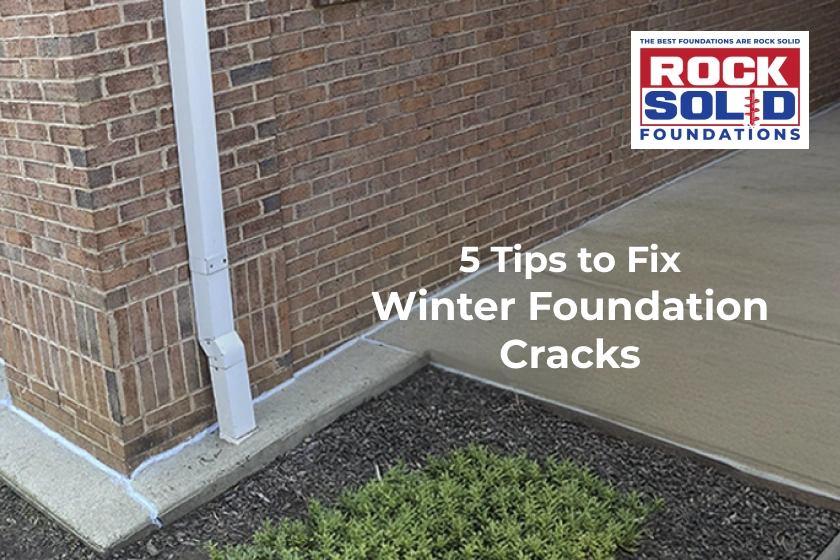
Foundation problems often seem to appear suddenly, especially when cold weather arrives. Homeowners who notice new cracks or widening gaps during winter are often confused about why these issues intensify as temperatures drop. The truth is simple: winter conditions place extra stress on your home’s structure. Understanding the science behind these seasonal changes is the first step in preventing long-term structural damage.
In places like Maryland and Delaware, a foundation inspection is critical before winter sets in. Winter here is harsh and can expose underlying foundation issues. Ignoring early symptoms can turn minor cracks into expensive repairs. In this guide, we will explain why cracks worsen in cold months, the warning signs to watch for, and the foundation repair solutions that protect your home from long-term structural weakening.
Why Winter Makes Foundation Cracks Worse
Winter creates the perfect environment for cracks to expand. Several factors directly influence your foundation during cold months:
1. The Freeze–Thaw Cycle
When moisture around your foundation freezes, it expands. This pressure pushes against your foundation walls, widening existing cracks and sometimes creating new ones. Once temperatures rise, the ice melts, leaving gaps behind and causing unstable soil movement.
2. Drying and Shrinking Soil
Cold air draws moisture from the ground, causing the soil to contract. This shrinkage creates voids beneath the foundation, leading to uneven settlement of the structure. Homes built on clay-heavy or moisture-sensitive soil experience this more severely.
3. Frost Heave
Frost heave occurs when soil moisture freezes, lifting the foundation upward. Over time, this movement creates horizontal and vertical cracks, uneven floors, sticking doors, and wall gaps.
4. Increased Indoor Heating
Running heaters creates dry interior air that pulls moisture from building materials. This can cause minor drywall cracks or widen existing hairline fractures.
Early Warning Signs You Should Never Ignore
Many cracks start small but become problematic during winter. Look out for:
- Cracks that lengthen or widen after freezing temperatures
- Gaps around window frames or doors
- Bowing or leaning basement walls
- Water seeping through cracks after the snow melts
- Uneven or sinking floors
- Vertical cracks turning into stair-step cracks
When these symptoms appear suddenly in December or January, it almost always means the underlying soil has shifted or expanded due to cold conditions.
A timely foundation inspection can prevent further damage and help identify whether the issue is cosmetic or structural.
How Winter Affects Different Types of Foundation Cracks
-
Hairline Cracks
Often caused by normal settling. In winter, they can widen slightly due to pressure changes, but are generally repairable.
-
Horizontal Cracks
A major red flag. Winter soil expansion pushes inward on basement walls, causing horizontal cracking. These usually require immediate foundation repair.
-
Diagonal Cracks
Often caused by differential settling. Winter shifts the soil under only one part of the house, making cracks widen noticeably.
-
Stair-Step Cracks
Common in brick or block foundations. These cracks become more pronounced as the freeze-thaw cycle repeatedly expands.
How to Fix Foundation Cracks in Winter
With proper methods, winter cracks can be repaired safely and effectively. The right solution depends on the severity of the damage and the underlying cause.
1. Sealants for Minor Cracks
Epoxy or polyurethane injections can seal thin cracks and prevent water intrusion. These methods work well for non-structural issues.
2. Pier Installation for Structural Stability
If the foundation is settling due to soil shrinkage or frost heave, a foundation contractor may recommend helical piers or push piers. These stabilize the structure by anchoring it to deeper, load-bearing soil.
3. Wall Reinforcement
For horizontal cracks and bowing walls, options include:
- Carbon fiber straps
- Wall anchors
- Steel bracing
These methods distribute pressure and prevent further inward movement.
4. Exterior Drainage Improvements
Poor drainage worsens winter soil expansion. Solutions may include:
- Swales
- French drains
- Gutter realignment
- Sump pump upgrades
Better drainage helps prevent water buildup and reduces freeze–thaw stress.
5. Waterproofing Measures
Waterproofing prevents melted snow or ice from seeping into your foundation cracks. Common winter-friendly fixes include:
- Exterior waterproof membranes
- Interior waterproof coatings
- Drainage board systems
When to Call a Professional
If cracks are widening quickly or accompanied by movement (tilting, sinking, bowing), professional help is necessary. A licensed foundation contractor can identify the root cause and recommend the safest and most cost-effective repair method.
You should schedule a foundation inspection immediately if you notice:
- Repeated cracking in the same area
- Sudden water intrusion after the snow melts
- Structural movement or sagging floors
- Cracks large enough to insert a coin
Winter damage progresses quickly, and delaying repairs can lead to more invasive and expensive foundation repairs later.
Why Choose Us?
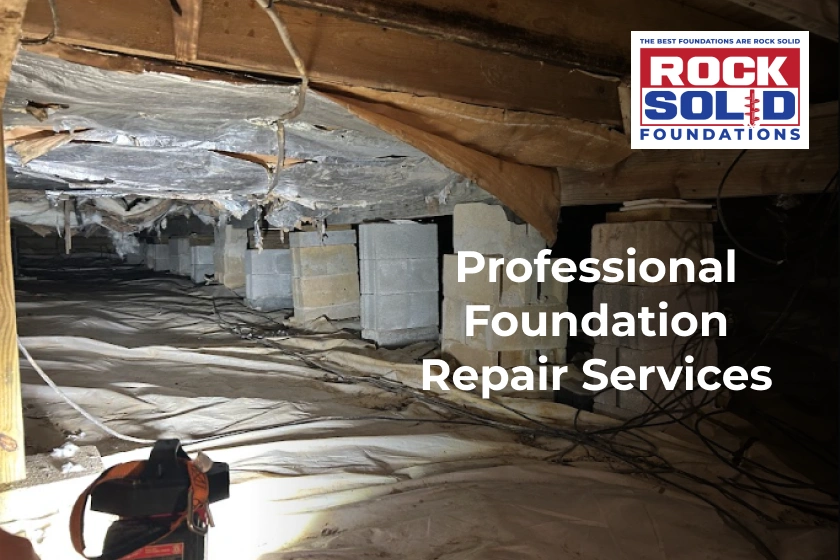
When winter foundation problems threaten your home’s safety, you need a team committed to accurate diagnostics and long-term durability. Rock Solid Foundations delivers reliable, long-lasting solutions built for harsh seasonal conditions.
We specialize in:
- Detailed foundation inspections
- Professional foundation repair for cracks, settling, and bowing walls
- Waterproofing and drainage upgrades
- Pier and pile installation for deep stabilization
- Structural reinforcement and soil correction
We proudly serve homeowners across Maryland and Delaware with trusted expertise and proven workmanship.
Don’t let winter damage escalate. Book your foundation inspection with us today!
Frequently Asked Questions
1. What causes foundation cracks to worsen during winter?
Freezing moisture, expanding soil, and frost heave put pressure on the foundation, widening existing cracks.
2. Should I schedule a foundation inspection during winter?
Yes. Winter reveals hidden structural issues, making it an ideal time for inspection.
3. Can foundation cracks be repaired in cold weather?
Most types of foundation repair can be done year-round with the right materials and techniques.
4. How do I know if a crack is structural?
Horizontal, diagonal, and expanding cracks often indicate structural movement. A foundation contractor can determine severity.
5. Does waterproofing help prevent winter cracking?
Absolutely. Waterproofing reduces moisture penetration, preventing freeze–thaw pressure and long-term deterioration.